
Publishing Scholarly Archaeology since 1997
Publishing Scholarly Archaeology since 1997
Log in | My Account | Basket Twitter Facebook LinkedIn
Advanced Search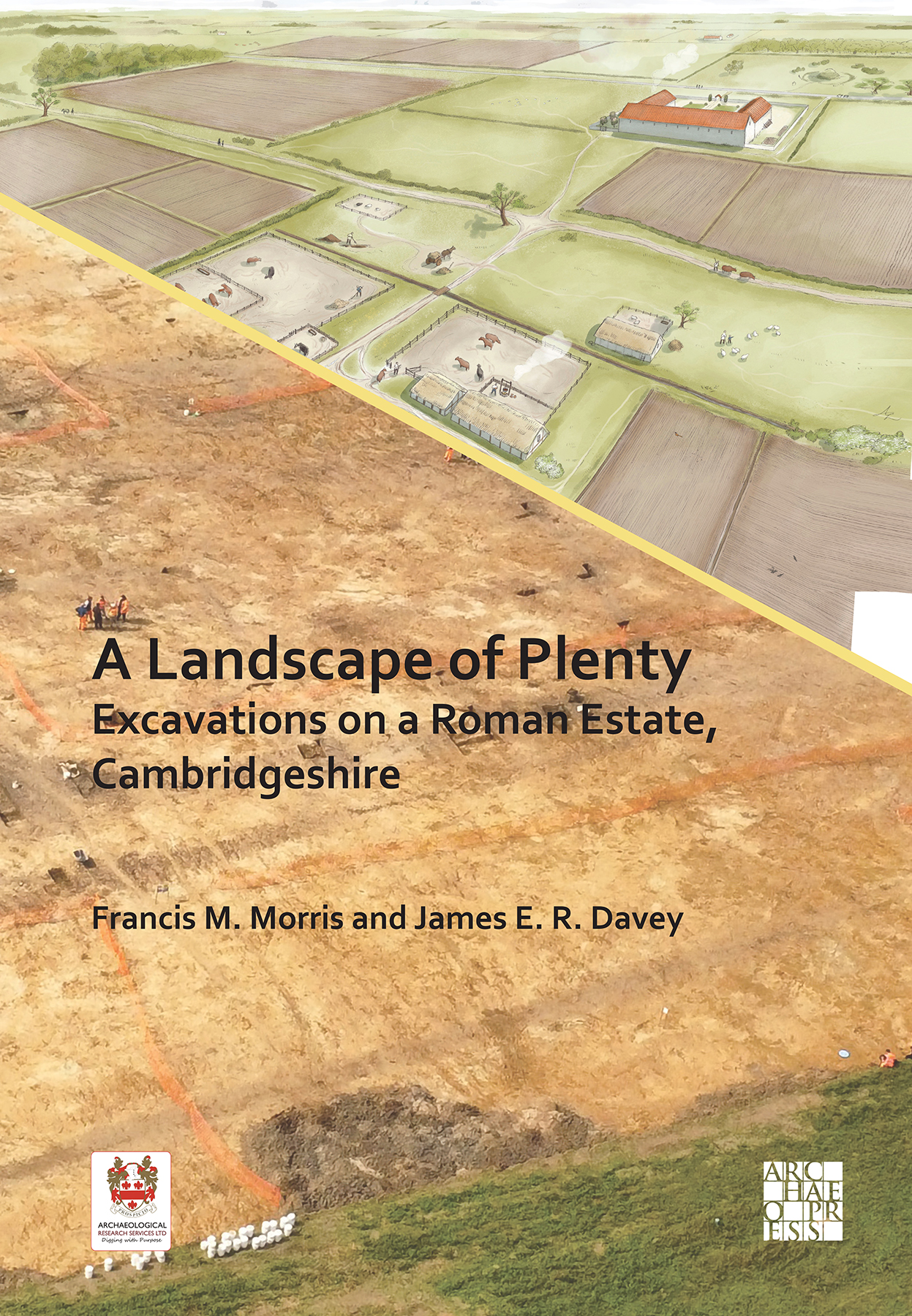
Download Sample PDF
H 205 x W 290 mm
232 pages
137 figures, 78 tables (colour throughout)
Published Aug 2025
ISBN
Hardback: 9781805831037
Digital: 9781805831044
Keywords
Cambridgeshire; Milton; late Roman period; villa estate; agricultural production; Roman ditches; cattle traction; Roman coins; Roman pottery; infant burial; land use; post-Roman transition; Roman Britain; excavation 2023
Related titles
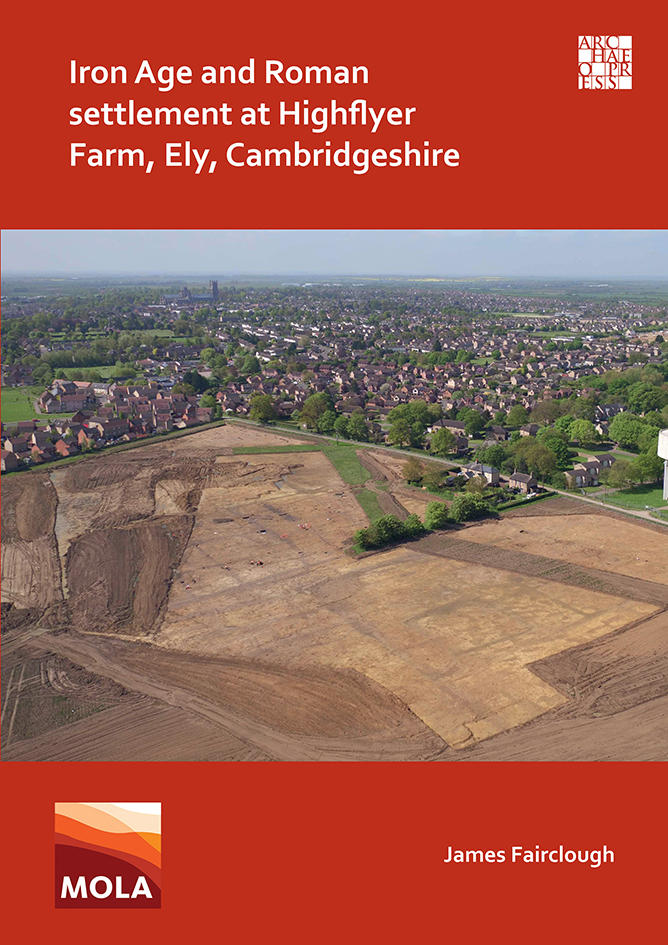
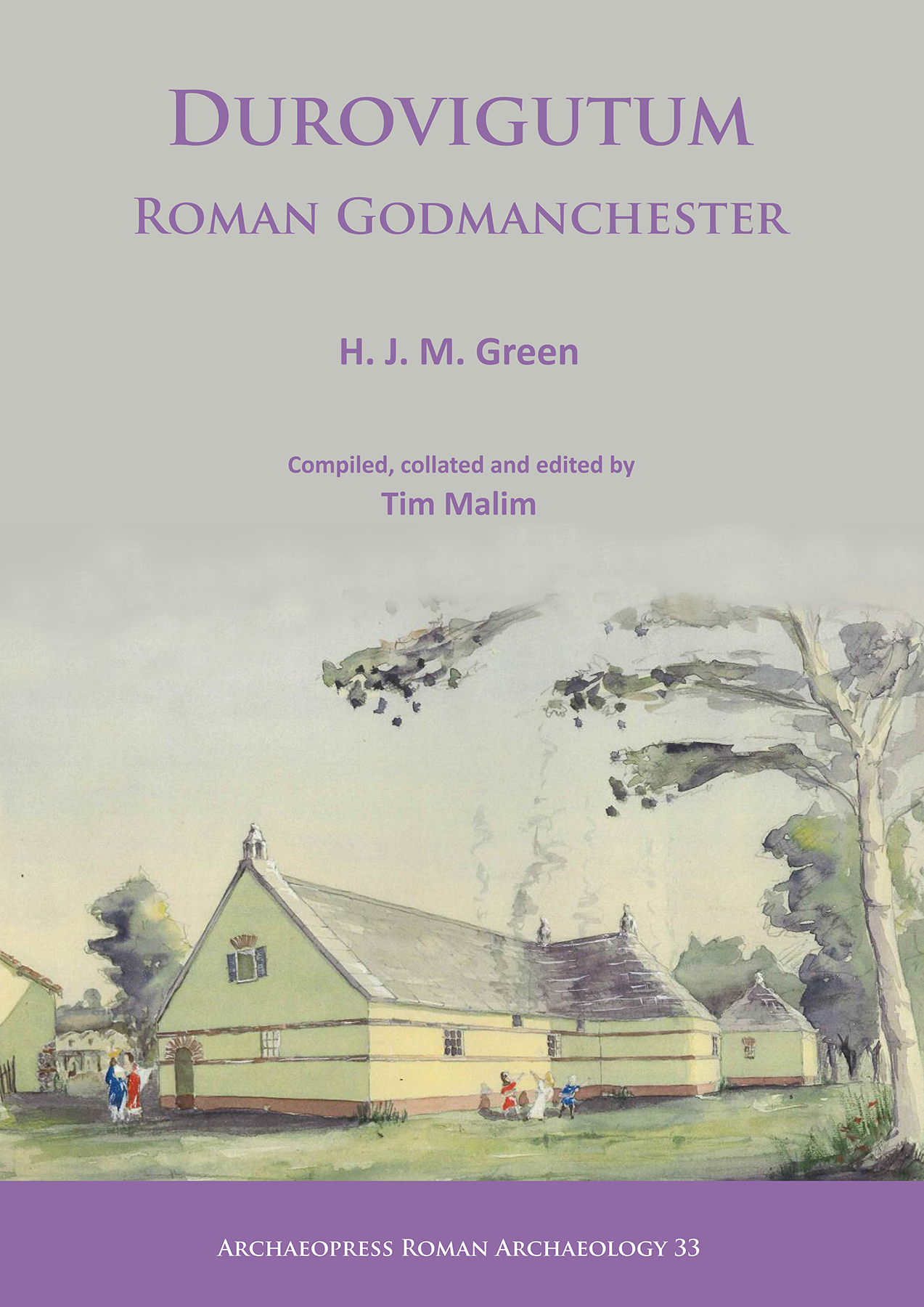
A Landscape of Plenty: Excavations on a Roman Estate, Cambridgeshire
By Francis M. Morris, James E. R. Davey

 Add to wishlist
Excavations near Milton, Cambridgeshire, revealed a late Roman agricultural complex with enclosures, structures, and a possible villa estate. Active from the mid-3rd to 5th century AD, the site suggests surplus grain production and cattle use. The findings raise key questions about land use after Roman rule ended.
Contents
Summary
??
Chapter 1: Introduction
Outline of the study
Geology and physical setting
Archaeological and historical background
Aims and objectives
Methodology
Site phasing
??
Chapter 2: Results
Introduction
Unstratified prehistoric struck flints
Period 1. Middle to late Iron Age
Early to middle Roman (residual finds)
Period 2. Late Roman, mid-3rd to mid-4th centuries AD
Period 3. Late Roman, mid- to late 4th century AD
Period 4. Late Roman, late 4th to ?5th centuries AD
Period 5. Medieval/post-medieval
Period 6. Modern
??
Chapter 3: Specialist reports
Introduction
Iron Age and Roman pottery
Medieval and later pottery
Ceramic building material
Burnt clay
Mortar
Struck flints
Utilised stone artefacts
Coins
Metal small finds
Miscellaneous material
Objects of antler and bone
Glass
Clay tobacco pipe
Human bone
Animal bone
Marine shell
Molluscan assemblage
Charred plant remains and charcoal
Waterlogged wood
Radiocarbon dating
??
Chapter 4: Summary and discussion
Introduction
Neolithic to Bronze Age
Middle to late Iron Age (Period 1)
Early to middle Roman
Late Roman, mid-3rd to late 4th or 5th centuries AD (Periods 2???4)
Medieval/post-medieval (Period 5) and modern periods (Period 6)
Significance of results
Concluding remarks
??
List of abbreviations
Bibliography
Reviews
'This volume makes good use of figures and reconstructions, and is a welcome addition to the ever-growing corpus of evidence for the later Roman trend for extensive interconnected agricultural estates in the region, and, most importantly, how they may have been linked.' ??? Paddy Lambert (2026): Current Archaeology Issue 432
Archaeopress Publishing Ltd
First and Second Floor
13-14 Market Square
Bicester
Oxfordshire OX26 6AD
United Kingdom
Tel +44 (0) 1865 311914 | fax +44 (0) 1865 512231 | email info@archaeopress.com
